Why you shouldn’t bother paying your student loan off
New rules mean that students will soon end up leaving University with £50,000 worth of debt, but here’s why you actually shouldn’t bother to pay it off.
Student loans are different from every other type of loan in almost every way – and for the better.
It means that it’s generally recommended that you should NOT pay off your student loan debt, only making the required payments monthly (if any) and here’s just why.
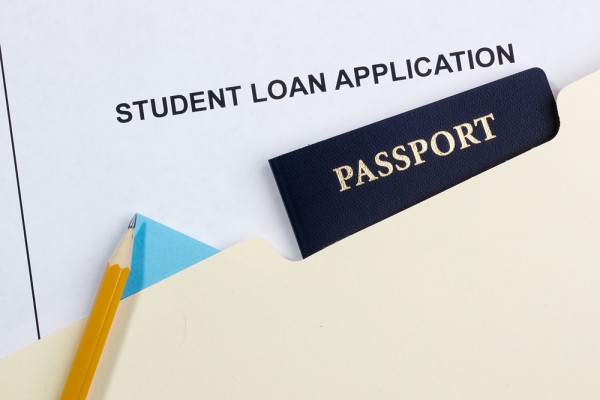
You only have to pay if you earn enough
Student loan repayments are taken direct from your wages but only if you earn above a certain amount. This means if you don’t quite get paid enough there is no requirement to pay whatsoever.
It doesn’t impact your credit score
Student Loans are hidden on credit reports meaning that they won’t have any effect your ability to borrow in the future, regardless of how much is outstanding. Your monthly repayments may still be required for a mortgage application, however.
The interest rate is low
Especially right now, the interest rate on student loans (particularly pre-2012 loans) is extremely low meaning you don’t have to worry about the debt spiraling to ridiculous numbers.
In fact, you can make more in savings
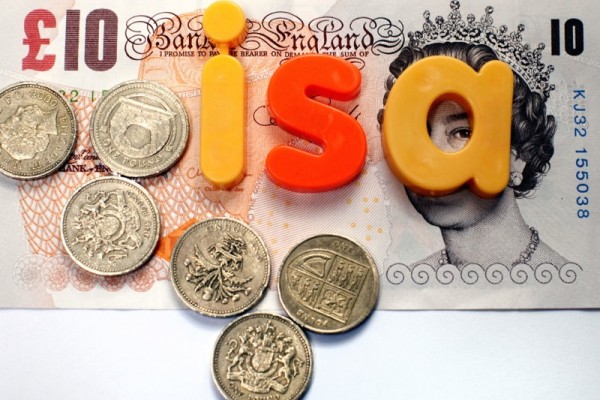
The interest rate of the loans is in fact so low that you’re better off putting any spare money into a good, high interest ISA savings account rather than paying your student debt. In many cases this will actually leave you better off.
Student debt is wiped after 25-30 years
This is the main reason why there is little need to pay off your student debt: It’ll be wiped after 25 (pre-2012) or 30 (post-2012) years. Therefore it makes sense to pay only what you need to else you may end up paying more than had to.
Comments
- http://www.insurancepolicy.org.uk InsurancePolicy


