Save money! 6 Student Hacks to Eat Healthier on a Budget
Just because you’re poor doesn’t mean your health has to be!
You can eat healthfully on a budget, and with a bit of planning and creativity, you’ll see that you don’t have to sacrifice a healthy diet to save yourself some money.
1. Give Meatless Monday a go
Meat is expensive, and while it’s not unhealthy if purchased from a local supplier, your body can still use a break from it every once in a while. Go vegetarian once a week. It’s a small commitment that will save you money, and open you up to a range of budget-friendly meals, like a beautiful veggie moussaka, or wholemeal eggy bread with a side of fresh fruit. As Michael Pollan said: Eat food. Not too much. Mostly plants.
2. Forsake fizzy drinks and drink more water
Nothing adds sugar and calories faster than blindly consuming juice and fizzy drinks throughout the day. Spending also goes up, even if only in small increments. This also applies to diet drinks, which contain chemicals that are equally as bad for you. Save money and improve your health by replacing these drinks with water — even if it’s just one drink a day at first.

3. Eat a proper breakfast
I know you’ve heard it before, but you hear it a lot because it’s true. It’s not a fad, it’s a fact that eating a good breakfast will set you up for a more productive day. This is especially true for students, where the benefits of eating breakfast include improved grades, increased concentration and weight maintenance. Have a hard time eating anything in the morning? Try a quick but complete chocolate-almond smoothie:
3 tablespoons almond butter
1/4 cup coconut milk
2 teaspoons cocoa powder
1/2 – 1 cup ice
2-4 tablespoons water (or other liquid)
Blend until smooth, and enjoy.
4. Plan ahead
Don’t get stuck feeling famished after class, which will inevitably derail you to the nearest bag of fried crisps. You don’t need a complicated meal planner, but simply pick 3 meals and 3 snacks that you can rotate between during the week. When you get bored, refresh with new recipes and repeat. You’ll soon have a roster of go-to meals that are cheap, healthy and easy to make. Short on ideas? Try tossing hard-boiled eggs in a salad, baking sweet potato chips or making your own hummus with this simple recipe:
1 16 oz can of chickpeas
1/4 cup liquid from can of chickpeas
3-5 tablespoons lemon juice
1 1/2 tablespoons tahini
2 cloves garlic, crushed
1/2 teaspoon salt
2 tablespoons olive oil
Drain chickpeas and set aside liquid from can. Combine remaining ingredients in blender or food processor. Add 1/4 cup of liquid from chickpeas. Blend for 3-5 minutes on low until thoroughly mixed and smooth.
5. Buy frozen
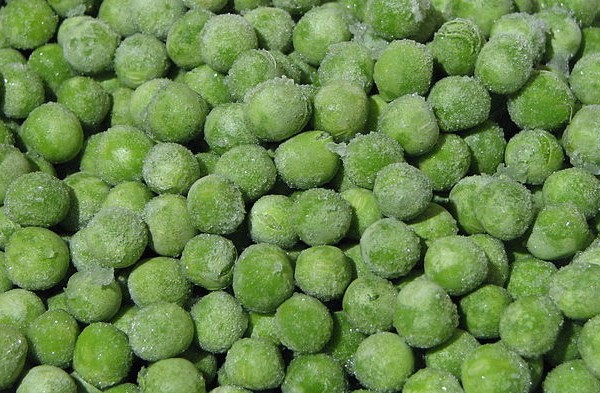
Yes, it’s the f-word. But it need not be so dirty, for as long as what you buy contains no chemicals, frozen fruit and vegetables contain the same level of vitamins and antioxidants as its fresh counterparts. It’s cheaper, and you won’t have to clear your fridge of squidgy fruit and wilted vegetables every week.
6. Don’t bother with supplements or so-called superfoods
With Britain’s lack of sunshine, the only vitamin we need to be concerned with is vitamin D. But generally supplements are expensive and often lack the evidence to match their overblown health claims. Same goes for superfoods, which are just regular foods with a big marketing budget. Eat whole foods instead, with a particular focus on buying local and in season, which is almost always less expensive.
Comments
- http://www.insurancepolicy.org.uk InsurancePolicy