How not to blow your holiday budget on your mobile
If you’ve been working for the minimum wage all summer and have managed to have scrimp and save enough to afford a last minute holiday, don’t ruin it by coming home to a horrendous phone bill.
Here’s how to be smart with your smartphone when abroad:
Check Your Data Roaming
Switching data roaming off in the settings on your smartphone means you won’t connect to mobile data networks when abroad. It’s using data when abroad the usually results in the worst cases of bill shock with horror stories of bills in the thousands not unheard of.
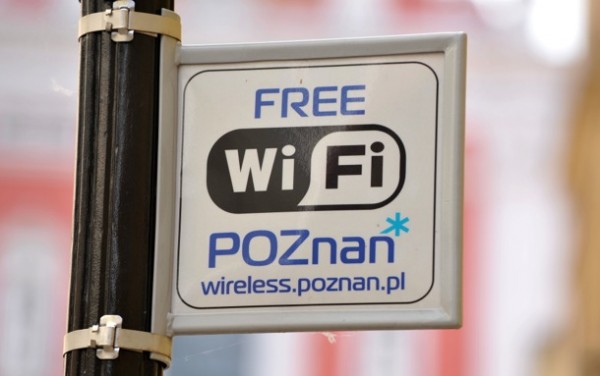
Use Wi-Fi Instead of mobile data
Being abroad doesn’t mean you have you have to lose touch with the world, many hotels and hostels will have free Wi-Fi so it’s worth checking before you book. If your accommodation doesn’t have free Wi-Fi look for a bar that does or the nearest McDonalds and download your emails, catch-up on Facebook and send pictures back home to make your mates jealous free of charge!
Get a plan for using your phone abroad
If you can’t stand to be without a permanent internet connection or plan on using your phone to make calls when on holiday, talk to your mobile network to see if they offer bolt-ons to bring down the cost of using your phone abroad. For example, Vodafone’s Euro-Traveller deal allows you to use your UK data, texts and minutes allowance abroad for an additional £2 per day and Three allow you to use your full mobile plan abroad at no extra cost in certain countries such as the US and Australia.
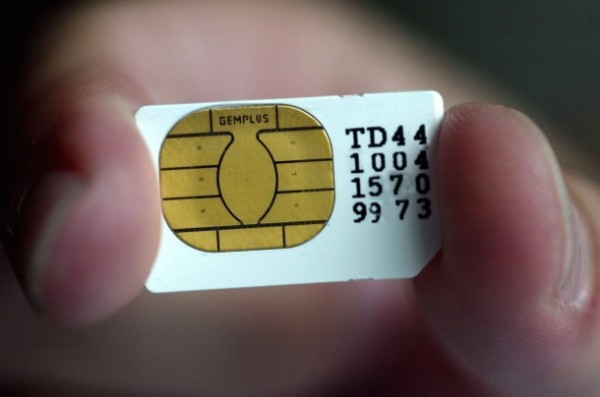
Buy a local SIM card
A handy tip from SIM only deals comparison site www.sim-only.co.uk is to buy a local SIM card if you are abroad. A pay as you go SIM card means you are in control of what you spend and will benefit from local mobile network rates. This may be a bit of a hassle for a short holiday as it does mean you will have a new foreign number but can be well worthwhile if you are travelling for an extended period. Remember people back home calling your mobile will be making an international call and it will cost them more.

Use VoIP
If you’re going to call home (assuming you’ve followed our advice and found a free Wi-Fi connection), use a free VoIP service like Skype or FaceTime rather than paying expensive roaming mobile rates.
Don’t forget it usually costs to receive calls when abroad
In some parts of the world it can cost you more than £2 per minute to receive calls even though it won’t cost the person calling you back in the UK any more than a normal domestic call. When you switch your phone on after arriving in a new country you should receive a text message from your network provider with the rate for making and receiving calls and texts. If someone leaves you a voicemail this won’t cost you anything however if you call the voicemail to retrieve the message this will. It’s worth considering either switching your voicemail off or recording a message to say you won’t be picking up messages so please don’t leave one or send an email instead!
Comments
- Lily Lau
- Peter